HSBC — The Shift from Product Design to Service Design
Designing a global onboarding service that scaled across markets and regulation. Improved user experience, and streamlined onboarding process.
Client
HSBC RBWM
Service
User Experience (UX) Design
Date
June 2015 - May 2019

Project Overview
Role: UX Lead → Global Head of Design, Originations
Products: Account Opening, Credit Cards, Personal Loans
Markets: UK, HK, US, Canada, Mexico
HSBC Digital was established as a well-funded internal startup of ~300 people, with a clear mandate: modernise and transform the bank’s digital products at pace.
Within four years, the organisation scaled to over 5,000 people, distributed across regions and time zones. With that growth came new challenges: coordination, consistency, and the risk of fragmentation across products and markets.
During this period, my role evolved from UX Lead to Global Head of Design within the Originations programme leadership team. Beyond hands-on design, I became responsible for shaping how design operated at scale — eventually leading service design for international customer onboarding.
The challenge was no longer just about designing better journeys.
It was about designing an operating model that could maintain quality and coherence while scaling rapidly across:
different regulatory environments
legacy systems
organisational structures
local market cultures
This context fundamentally shaped the way we approached digital customer onboarding — and how design contributed to making it work.
The challenge
Reduce abandonment in digital onboarding while complying with strict global regulatory standards, and do so in a way that could scale across markets with very different legal, risk, and operational constraints.
This wasn’t just a design problem. It was a service and organisational problem.
Key Highlights
How we worked (and why it mattered)
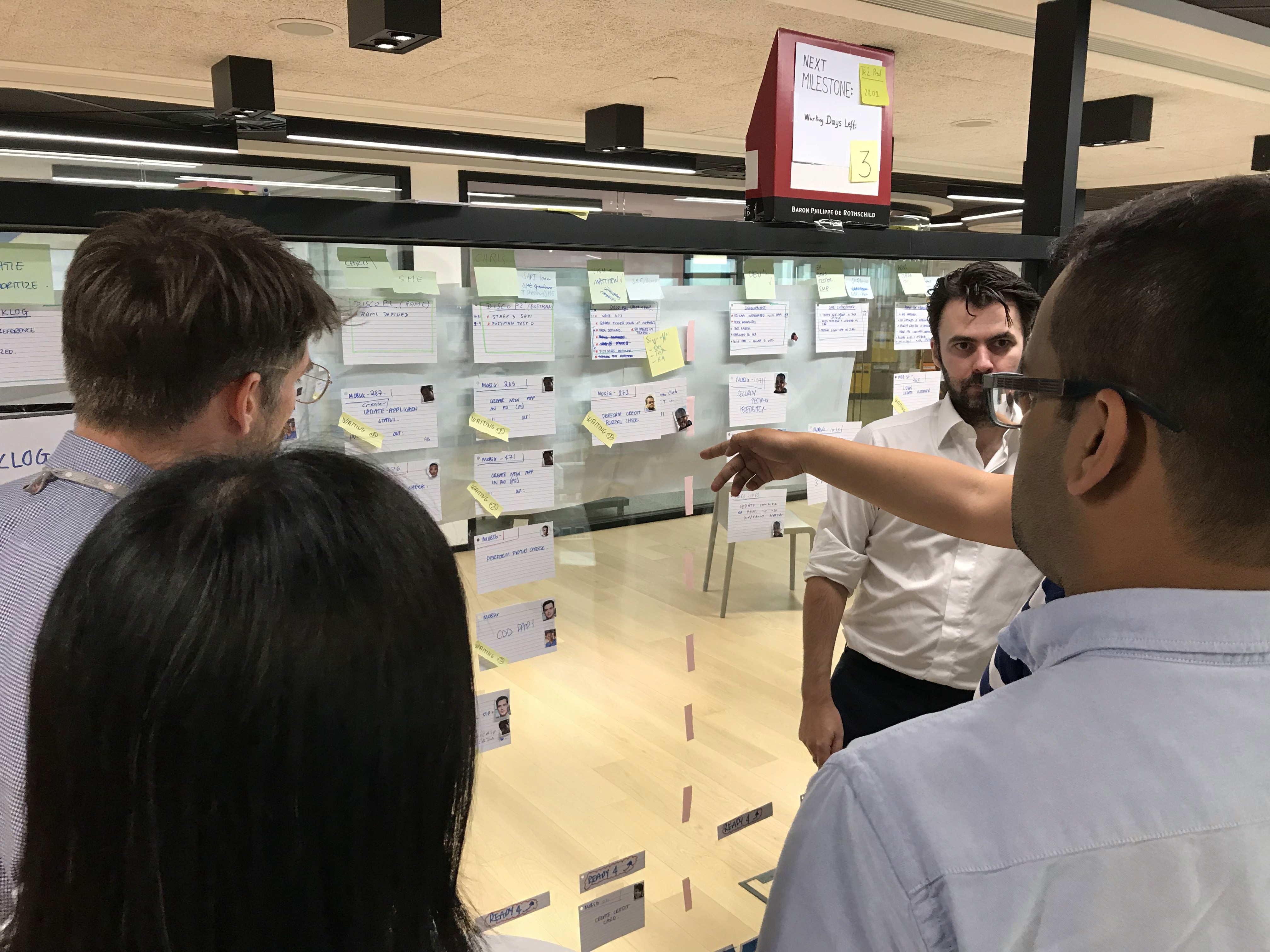
From early on, we paid close attention to team structure and ways of working, inspired by models like Spotify that were gaining traction at the time.
As the programme scaled quickly, we intentionally experimented with:
Agile Scrum for delivery
Lean UX for rapid prototyping and validation
Kanban for managing flow and dependencies
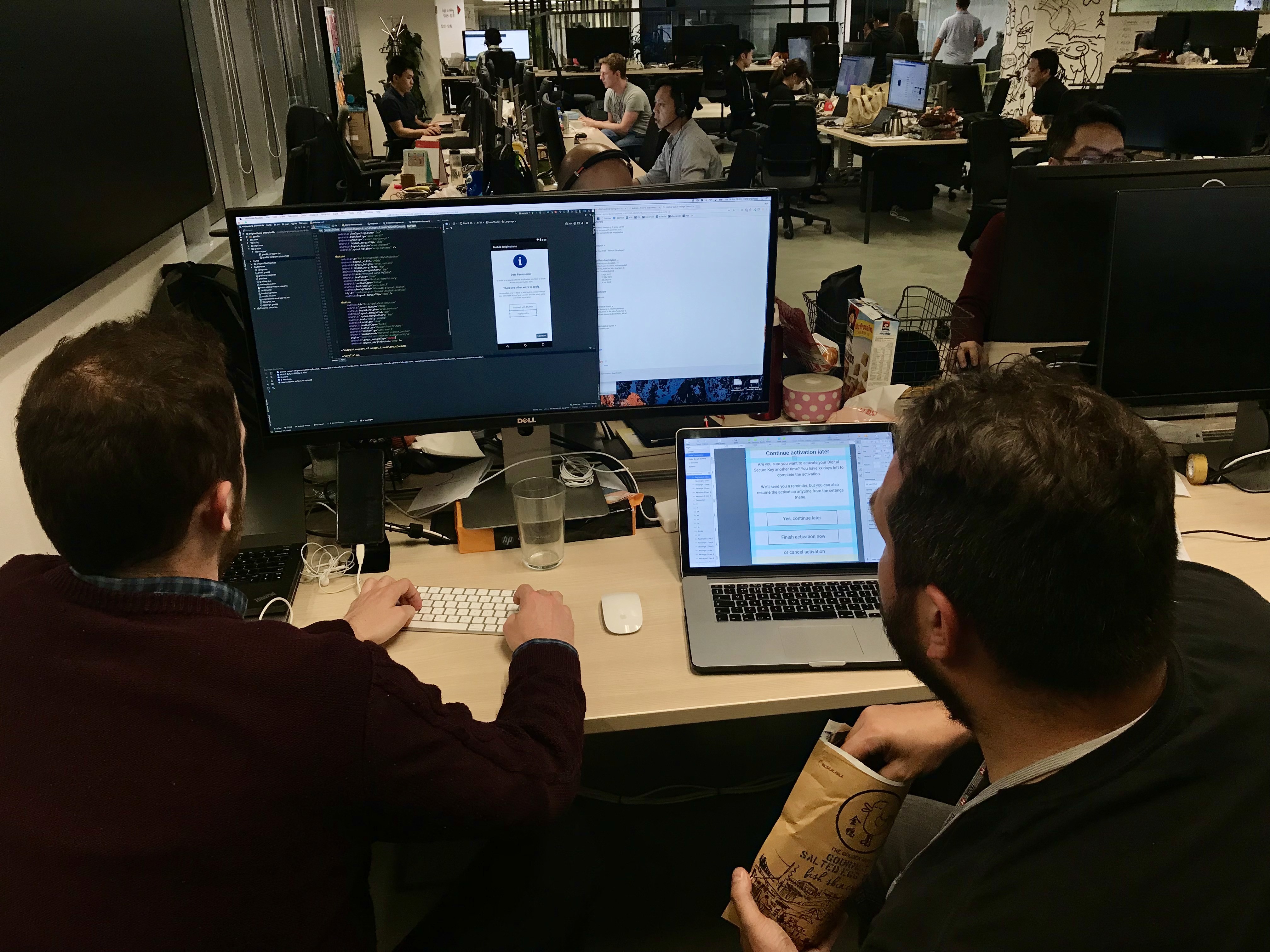
What made this programme successful wasn’t a single method — it was the tight collaboration between Product, Design, and Engineering, and the willingness to adapt how we worked as the team grew.
My contribution — two modes
1. Individual Contributor (early phase)
When the design team was small, I was fully hands-on:
Designed and prototyped the first digital onboarding journeys for:
Account Opening
Personal Loans
Credit Cards
Worked closely with risk and compliance teams to understand constraints early
Helped define a “golden standard” for digital customer onboarding — a reference journey that balanced:
user needs
regulatory requirements
delivery feasibility
This golden standard became the foundation for scaling globally.
2. Design Leadership (scaling phase)
As the programme expanded across markets, my role shifted.
I became part of the run-ahead team, leading:
Workshops with major markets (UK, HK, US, Canada, Mexico)
Alignment sessions with local product, legal, and compliance teams
Definition of market-specific variants based on the global standard
Once a variant was agreed:
We set up local cross-functional delivery teams
Designers from my team were embedded in those teams
I oversaw design quality, consistency, and delivery across markets
This allowed us to scale without losing coherence — and without centralising everything.
What changed
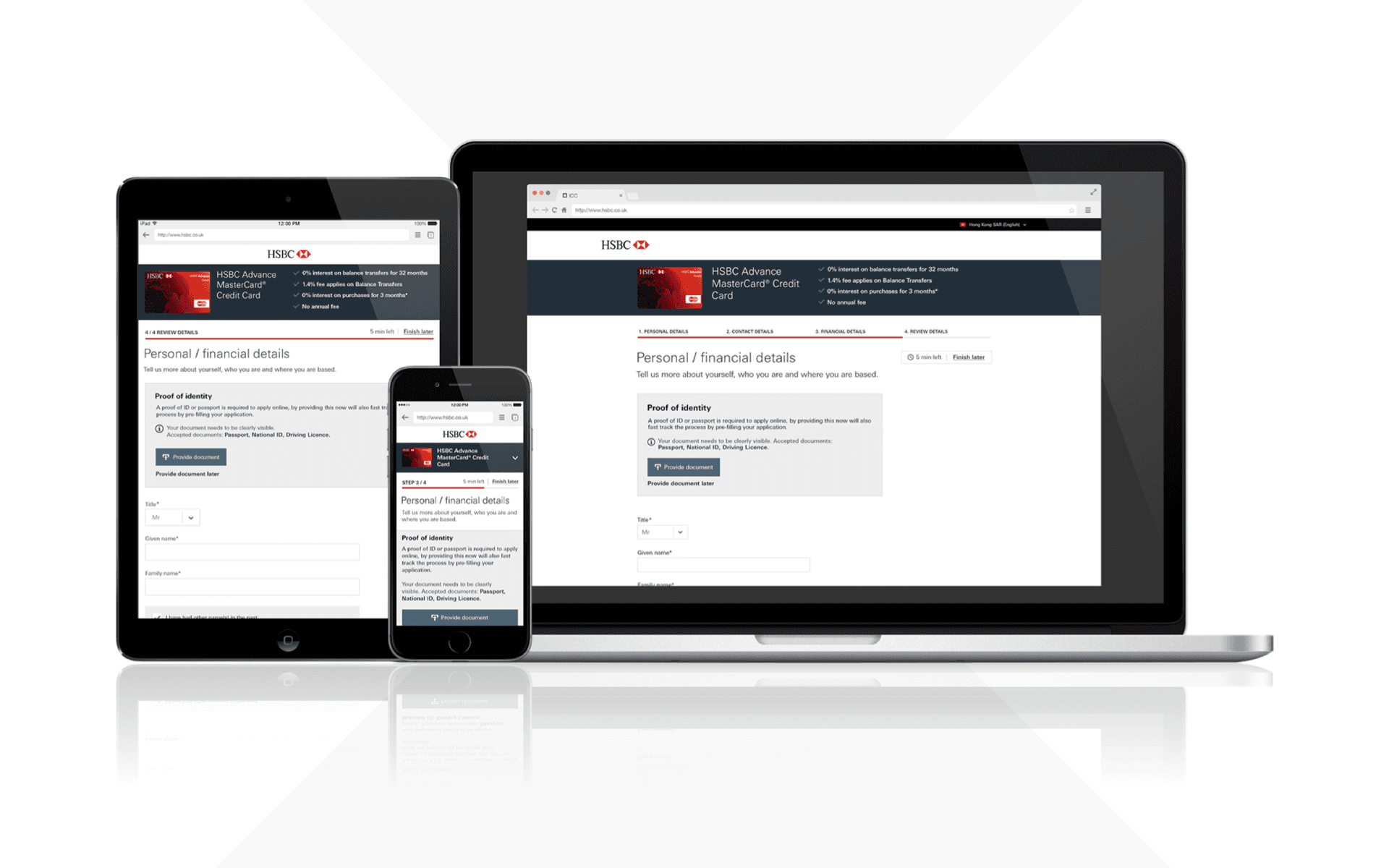
A consistent customer onboarding service across products and markets
Reduced friction for customers while staying compliant with global standards
Clear separation between:
global principles and standards
local execution and adaptation
A delivery model that allowed design to scale alongside product and engineering
Perhaps most importantly, this programme demonstrated that good outcomes were the result of good collaboration, not just good design artefacts.
Why this case study still matters
This work represents a moment where:
design moved beyond screens
organisational structure became part of the solution
research, compliance, and delivery worked as a system
It shaped how I approach complex, regulated environments to this day — from RegTech platforms to AI-assisted advisory tools.
Go Back

